
How we test photo to pattern makers
Published · Photo Pattern Maker
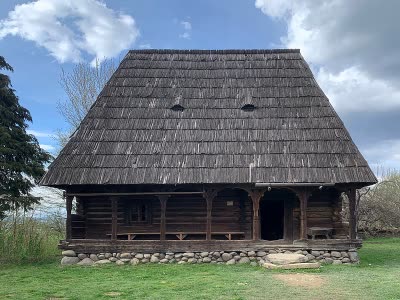
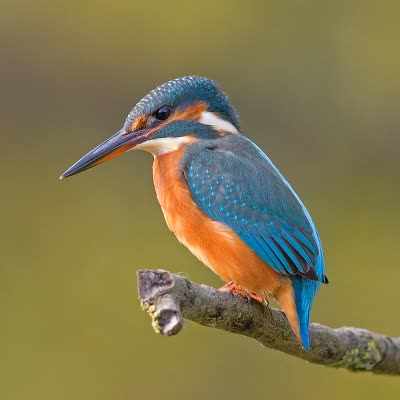
The same four photos from Wikimedia Commons, a poodle, a portrait, a house and a kingfisher, go through each tool at 80 stitches wide and up to 20 DMC colors, with every other setting at the tool's default. We read every stitch of the chart each tool makes and count the stitches with no neighbor of the same color above, below, left or right.
The photos
| Photo | Why it's in the test |
|---|---|
| Poodle | Curly fur in many close browns: the hardest case for confetti. |
| Portrait | A face: skin tones, eyes and teeth. |
| House | Straight lines, flat walls and a roof. |
| Kingfisher | Bright colors on a soft, blurred background. |


Settings
- Photo Pattern Maker: 80 stitches wide and up to 20 DMC colors (the defaults), the photo shrunk to 600 pixels on its long side as the site does in your browser.
- FlossCross (2026-10-31): From Image, chart width 80, DMC palette with a maximum of 20 colors, then Finish on its Reduce colors step with the count at 20. The only other options on that step switch the canvas and crosses on and off.
- Pic2Pat (2026-10-31): 11-count fabric, 7.2 inches wide (78 stitches, the closest it offers to 80), all colors, photo, then of the patterns it offers the one with 20 colors.
- Stitchmate (2026-10-31): The Small (80) size preset and 20 colors; everything else, its detail slider included, at the default.
- Xstitchify (2026-10-31): No account; 14-count, 80 stitches on the longest side, up to 20 colors, photo mode, DMC.
How we read each chart
- Photo Pattern Maker: The pattern the site stores for a buyer, made again from the photo each time the page is rebuilt.
- FlossCross: The chart FlossCross saved in the browser's own storage.
- Pic2Pat: Its result page carries each pattern as an image of one pixel a stitch.
- Stitchmate: The chart Stitchmate saved in the browser's own storage after opening its editor.
- Xstitchify: The pattern data its page downloads to draw the chart.
How is a lone stitch counted?
A stitch is lone when none of its neighbors directly above, below, left and right has the same thread color. At the edge only the neighbors that exist count, and diagonal neighbors never do. The share is the lone stitches divided by all the stitches in the chart; the sample patterns on this site are counted the same way.
What could tilt the result?
- We make Photo Pattern Maker, and we tuned its color matching on these four photos while building it, so they may suit our code better than a new photo would. The 9 sample patterns on our craft pages use other photos, and 0.02% to 0.69% of their squares are lone.
- Our charts are made again with the current code whenever the site is rebuilt (last on 2026-11-02); the other tools' charts are the ones they made on 2026-10-31.
- Every setting we didn't name stayed at the tool's default. Stitchmate's detail slider, or options in the other tools, may give less confetti; we didn't search for each tool's best settings.
- Pic2Pat's charts are 78 stitches wide, the closest it offers to 80, and FlossCross used 18 colors for the portrait though 20 were allowed. Each share is of that chart's own stitches.
- No chart was edited afterwards. FlossCross and Stitchmate open the chart in an editor where stitches can be changed by hand.
- Four photos is a small sample, and few lone stitches is one thing a chart can do well, not the only one.
Can I repeat the test?
- Download the four photos from their Wikimedia Commons pages, linked above.
- In each tool, make a chart 80 stitches wide with up to 20 DMC colors, with the settings listed.
- In each chart, count the symbols with no matching symbol directly above, below, left or right, and divide by the number of stitches.
What's new on this page
- First published: the confetti test of five photo to cross stitch tools.
Related
- Cross Stitch Pattern Maker
- Needlepoint Pattern Maker
- Photo to Perler Bead Pattern
- Mini Perler Bead Pattern Maker
- Crochet Pattern Generator
- Filet Crochet Pattern Maker
- Picture to Knitting Chart
- Photo to LEGO Mosaic
- Photo to Diamond Painting Pattern
- How to turn a photo of your dog into a crochet blanket pattern
- How many stitches wide should a cross stitch portrait be?
- How big is a perler bead pattern from a photo, and how many beads?
- How to build a LEGO mosaic of your own photo, with a parts list
- Photo to cross stitch pattern makers compared: which leaves the least confetti?